





Devastating Cyclone Alfred Wreaks Havoc in Australia: Heavy Rain, Floods, and Widespread Disruption
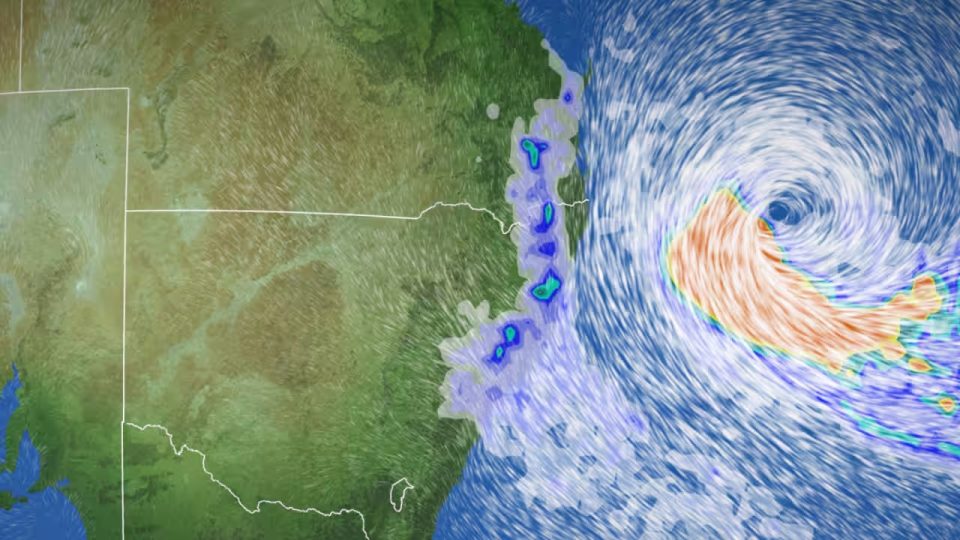
A powerful cyclone named Alfred, originating in the Pacific Ocean, has struck Australia, unleashing widespread destruction across parts of Queensland and New South Wales. The storm made landfall near Moreton Bay Island, close to Brisbane, around 6 AM on Saturday, bringing with it fierce winds and torrential rain. As it moves toward Bribie Island, the cyclone continues to threaten millions with life-threatening floods and chaos.
The storm has already caused significant disruption. Winds reaching speeds of up to 100 kilometers per hour have toppled trees and snapped power lines, plunging approximately 250,000 people into darkness. Heavy rainfall has triggered flooding in multiple areas, with cities like Brisbane, the Gold Coast, and Lismore bearing the brunt of the disaster. Authorities estimate that nearly 2.5 million people across a 1,000-kilometer stretch of eastern Australia could be affected.
Australian Prime Minister Anthony Albanese has issued a stern warning, urging residents to remain cautious despite the cyclone weakening into a tropical low. “Even though the storm is losing strength, it could still cause severe damage before it slows down,” he said, encouraging people to stay indoors and prioritize safety. The government has declared a state of alert as the situation unfolds.
Deadly Flood Risk Looms Over Queensland and New South Wales
Forecasters predict that over the next 12 to 24 hours, Cyclone Alfred will move toward southeast Queensland and northern New South Wales, raising fears of catastrophic flooding. The Bureau of Meteorology (BoM) has warned of heavy rain, destructive wind gusts, and potential landslides, particularly between Bribie Island and Maroochydore. Coastal and inland areas, including Lismore, Grafton, Coffs Harbour, Tenterfield, Yamba, Woolgoolga, Sawtell, and Dorrigo, are already experiencing the storm’s fury.
In Queensland, the town of Nerang has been hit hard, with around 6,000 residents grappling with the storm’s impact. Power outages have crippled the region, leaving communities vulnerable. If the rainfall persists, water levels in northern rivers could rise dramatically, worsening the flood threat.
Lismore River Nears Danger Mark
The Lismore River, a key concern in northern New South Wales, is currently at 8.41 meters—just 0.43 meters below the danger level of 8.84 meters. Experts warn that continued downpours could push it over the threshold, inundating low-lying areas. Meanwhile, the cyclone’s center is positioned about 45 kilometers northeast of Brisbane and 95 kilometers north of the Gold Coast, with sustained winds of 75 kilometers per hour and gusts reaching 100 kilometers per hour.
The National Weather Service reports that the storm’s slow movement could prolong its destructive effects, amplifying the risk to life and property. Emergency services are on high alert, and residents in flood-prone regions have been urged to evacuate or seek shelter immediately.
A Race Against Nature’s Fury
Cyclone Alfred’s arrival marks a rare and dangerous weather event for this part of Australia, with its intensity and scale drawing comparisons to storms not seen in decades. As the nation braces for what lies ahead, the focus remains on protecting lives and minimizing damage in the face of this relentless natural disaster.


